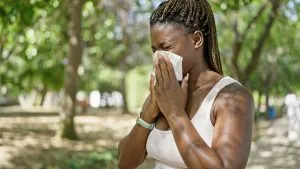





Fall is a busy time for many young athletes. Soccer fields fill up, cross-country meets begin, and football practices take over afternoons and weekends. Cooler temperatures make outdoor activity more enjoyable but fall also brings something less welcomed: allergy triggers.
For children who spend hours outdoors practicing and competing, exposure to pollen, ragweed, mold and other allergens make it harder to focus on the game. Understanding common allergy triggers and knowing how to manage symptoms can help families support active kids throughout the season.
Know the Signs of Fall Allergies
Allergy symptoms can sometimes be mistaken for a common cold, especially during the busy back-to-school months. Common signs of seasonal allergies include: sneezing, runny nose, nasal congestion, itchy throat or nose, and watery or red, irritated eyes.
Cold symptoms usually improve within several days, while allergy symptoms may continue as long as exposure to allergens continues. If symptoms are severe, persistent, or unusual, parents should contact a health care professional.
Help Reduce Exposure Before and After Practice
It’s not possible to avoid allergens completely, but a few simple habits may help reduce exposure during sports season.
Check local pollen counts before outdoor practices and games. Encourage children to wash their hands and face after spending time outside. Have them change clothes after practices or competitions, and keep sports equipment and uniforms clean.
These steps can help remove pollen and other allergens that may cling to skin, clothing, and gear.
Plan Ahead for Allergy Relief
Even with good habits in place, allergy symptoms may still appear during outdoor practices, games, and meets. Knowing what to reach for can help families feel prepared during a busy fall sports schedule.
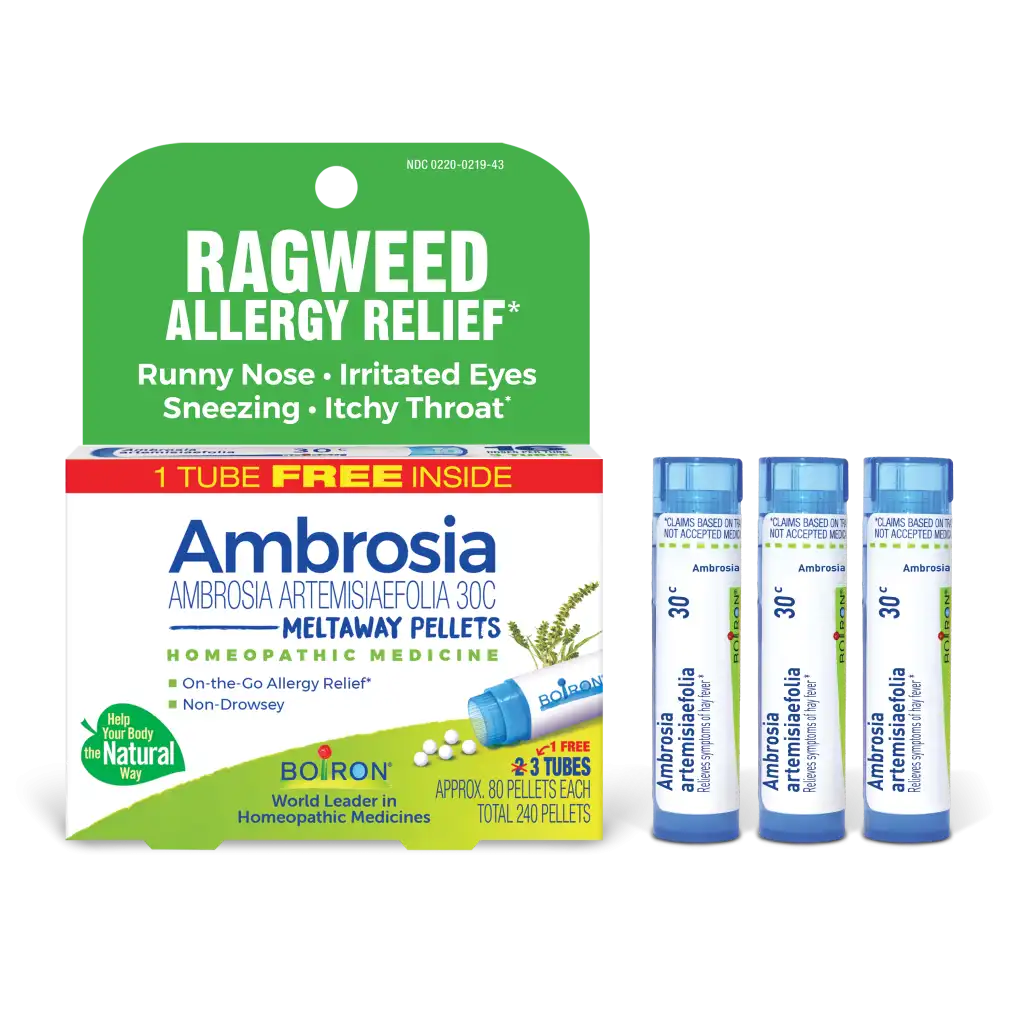
Ambrosia Ragweed Allergy Relief Multi-Pack
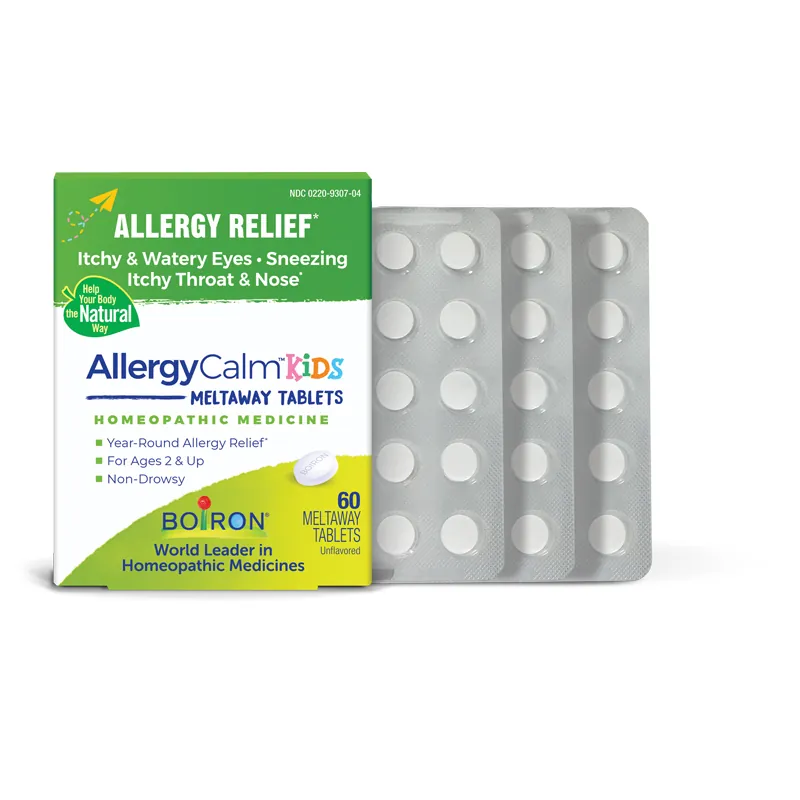
General Seasonal Allergy Symptoms
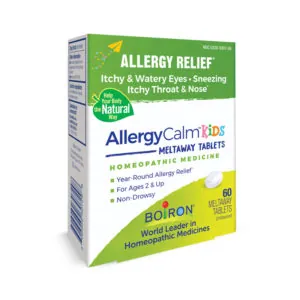
AllergyCalm by Boiron relieves symptoms associated with hay fever and other respiratory allergies, including sneezing, runny nose, itchy throat and nose, watery eyes, and cough associated with allergies.* The meltaway tablets are non-drowsy and easy to take, making them a convenient option during busy sports seasons.*
Ragweed Allergies
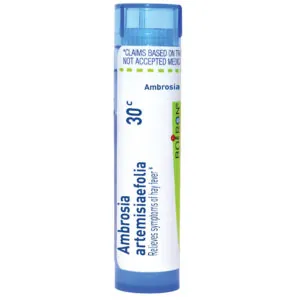
Ragweed is one of the most common fall allergy triggers. The homeopathic medicine Ambrosia artemisiaefolia can help relieve symptoms associated with ragweed allergies, including sneezing, runny nose, and itchy eyes and nose.* It can be a helpful option for children and adults who notice symptoms increasing during ragweed season.
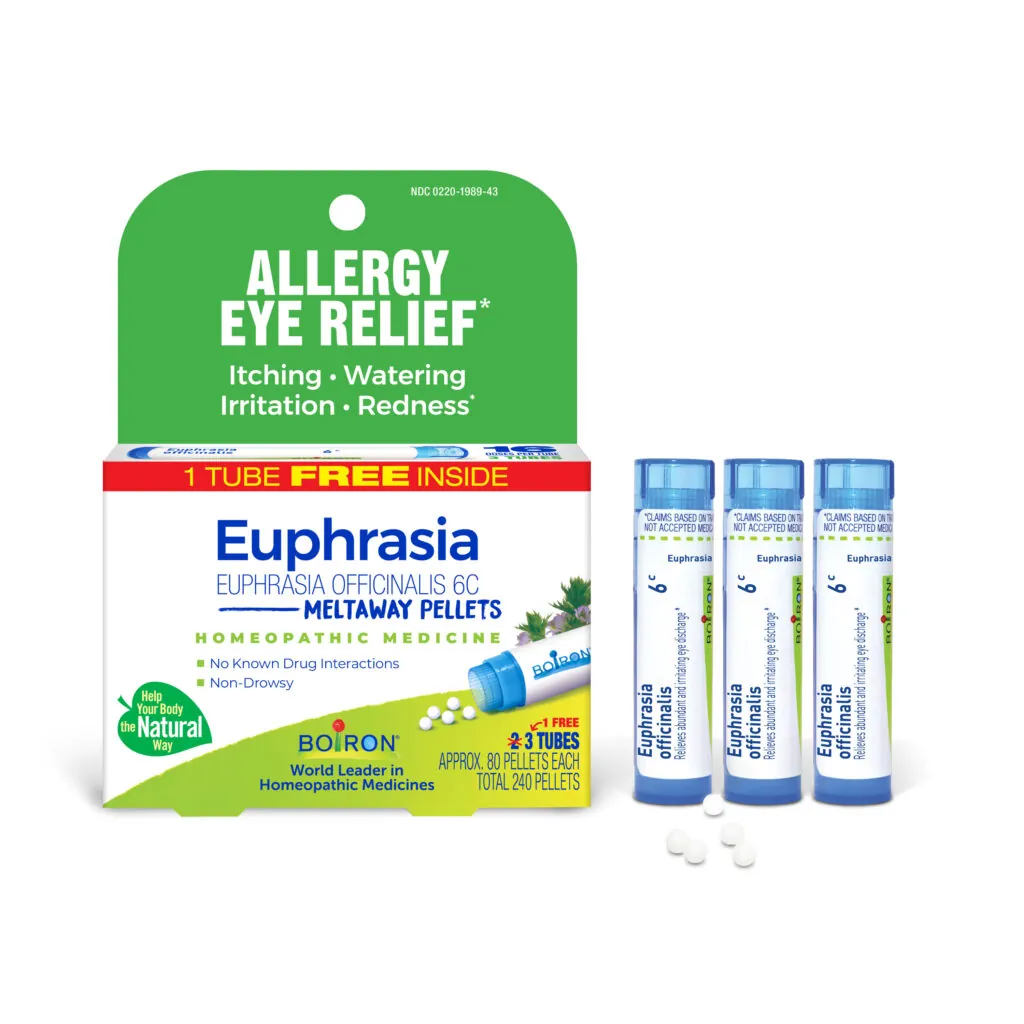
Watery, Irritated Eyes
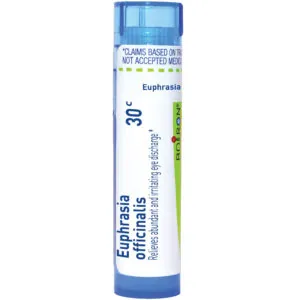
Another option from Boiron is Euphrasia officinalis, which targets symptoms such as watery eyes and eye irritation associated with seasonal allergies.* When practices and games keep kids outdoors for hours at a time, addressing eye symptoms may help them stay more comfortable.
Keep the Focus on Fun
Youth sports provide opportunities for children to stay active, build confidence, learn teamwork, and make lasting memories. Seasonal allergies don’t have to keep them on the sidelines.
By understanding common fall allergy triggers, taking steps to reduce exposure, and keeping allergy relief options on hand, families can help young athletes stay focused on the activities they enjoy.
To learn more about AllergyCalm, Ambrosia artemisiaefolia, Euphrasia officinalis, and other Boiron medicines, visit BoironUSA.com.
*Claims based on traditional homeopathic practice, not accepted medical evidence. Not FDA evaluated.