

Last updated on October 21st, 2025 at 12:33 pm
From nourishing our bodies to inspiring natural medicines, the healing power of the earth — especially through flowers — has always supported human health. For example, Arnica montana, the mountain daisy, is one of the most popular plants that’s been used for centuries for pain relief. It grows readily in the French alps but is much harder to cultivate here in the states. However, there are some other beautiful plants that are much easier to grow in your home garden and are commonly used in homeopathy.
It is important to note, however, that our flower choices below are not to be used for healing purposes. There are a few significant differences between the full strength of a plant and the homeopathic preparation of the same plant. These plants are not meant to be ingested except as herbal supplements or homeopathic over-the-counter medicines professionally produced by manufacturers that follow safety and quality standards from the U.S. Food and Drug Administration and other applicable guidelines. Our garden suggestions are for enthusiasts interested only in learning more about the plants we rely on.
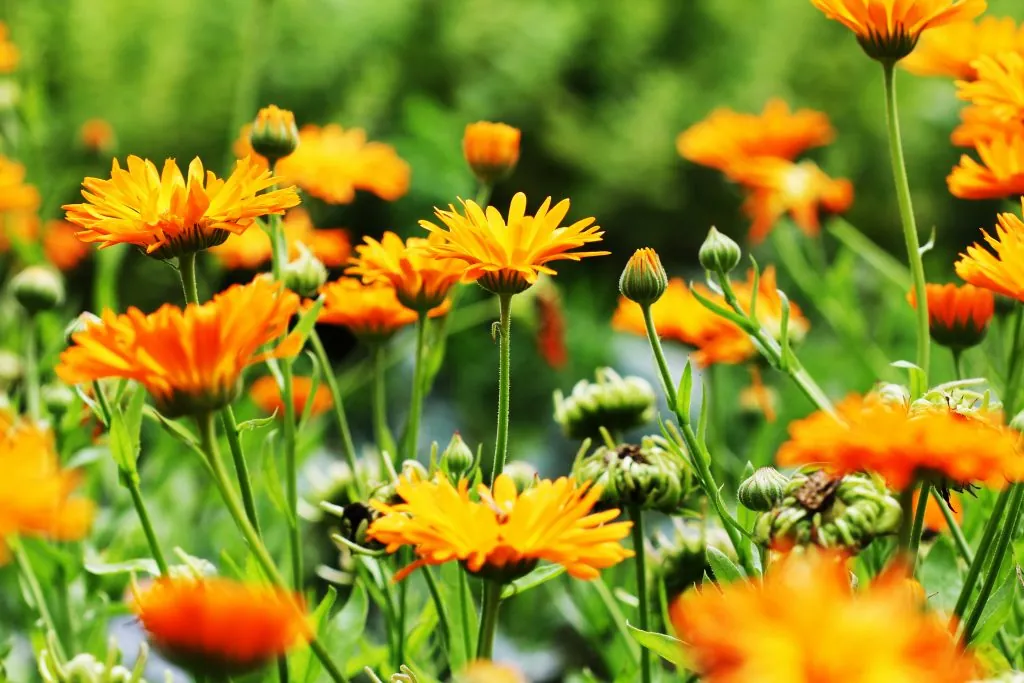
Calendula officinalis (Garden marigold) – Consider starting your garden planting with the garden marigold. Known for its vibrant yellow-orange petals, Calendula officinalis has been cherished since ancient times for its use in dyes, cosmetics, and folk remedies. Native to southern Europe and now widely grown across North America, this sunny bloom adds color and charm to any garden. In homeopathy, Calendula is diluted and used to ease minor wounds, cuts, and burns.*
Chamomilla officinalis (German chamomile) – Known for its calming properties, chamomile has been used for centuries in teas and herbal remedies. There are several types of chamomile, but German chamomile is the most common and the one used in homeopathy. As the homeopathic medicine Chamomilla, it is used primarily to help relieve teething symptoms. It’s also used to calm babies during a tantrum, where one cheek is redder than the other one and they’re calmed by being rocked. Chamomilla can also be used for people hypersensitive to pain.*
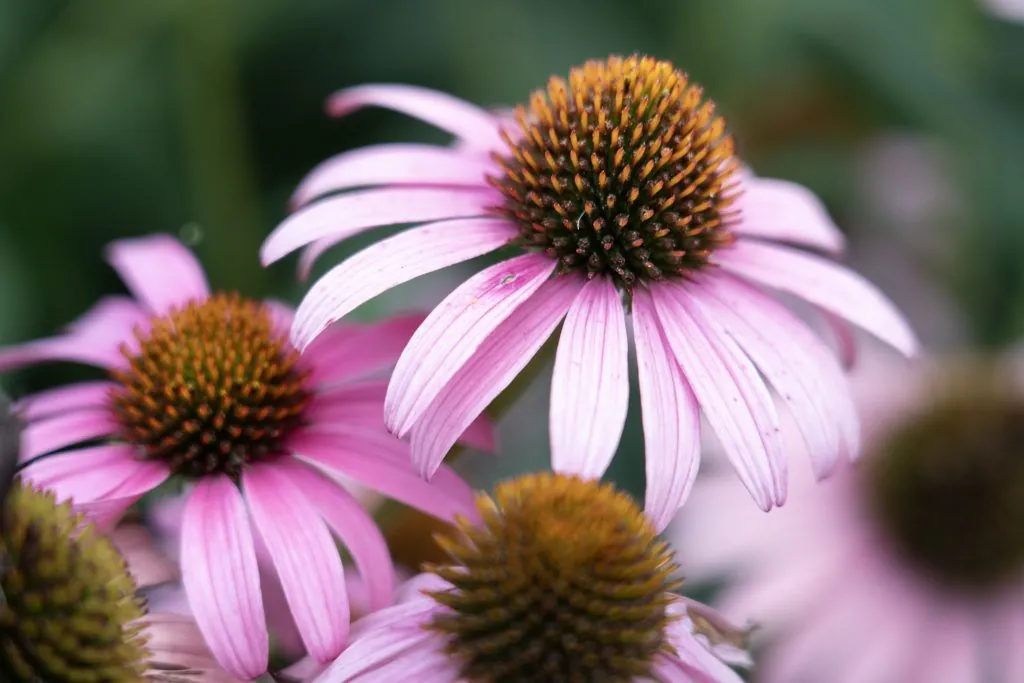
Echinacea purpurea (Purple coneflower) – Echinacea’s name is rooted in the Greek word for hedgehog, a nod to the flower’s spiky look. Long used by Native American communities, Echinacea remains a popular herb today, commonly found in dietary supplements. In homeopathy, it relieves sore throat pain with fatigue.* It is a very easy plant to grow in your own garden as its deep roots make it tolerant of heat and drought.

Eupatorium perfoliatum (Boneset) – Eupatorium perfoliatum is named after Mithridates Eupator of Pontus, a famous herbalist king who absorbed small doses of various lethal substances every day to avoid being poisoned. Boneset was used by Native Americans and early settlers to relieve a fever and colds, but also dengue, which is also called “breakbone fever” from the very painful aches it causes. Today, homeopathic Eupatorium perfoliatum is used to help relieve intense bone pains associated with flu or other infections.* It is an excellent pollinator plant, known for attracting butterflies and bees.
Hydrastis canadensis (Goldenseal) – Native to North America, this naturally thrives in moist and shady garden settings. The Native Americans used the bright yellow roots as a dye and a remedy for a range of ailments. It quickly became a popular remedy among European settlers as well. This led to it being over harvested from its natural habitat and, today, it is considered endangered. In homeopathy, it is used to relieve post-nasal drip.*
Valeriana officinalis (Garden valerian) – Valerian has been used since Greek times for its sedative, anxiolytic action. Homeopathic dilutions of Valeriana officinalis are used to help relieve sleeplessness with hypersensitivity to stress.*

Any of these plants can make a beautiful and interesting addition to your garden, each with a rich history of traditional and homeopathic use. Before you start planting a garden for yourself, see these botanicals up close! If you are located in or near Pennsylvania, you can explore many of the plants used in homeopathic medicines at the Boiron Medicinal Garden at Rodale Institute.
*Claims based on traditional homeopathic practice, not accepted medical evidence. Not FDA evaluated.
Photos and video courtesy of Rodale Institute.