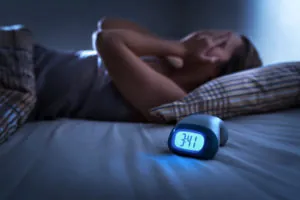



Feeling more tired? That’s not unusual this time of year. Many people experience extra fatigue in November for two big reasons. First, Daylight Saving Time ends, and the clocks jump backward, disrupting your circadian rhythm. Second, the season’s packed schedule can wreak havoc on sleep. Work gets hectic, shopping becomes a chore, and holiday prep takes up your free time. The good news? There are simple ways to improve both the quantity and quality of your sleep during this season.
If you can fit it into your busy schedule, one of the best things you can do for better sleep is exercise daily. Physical activity boosts natural sleep hormones, allowing you to fall asleep faster and wake up less often. Just avoid working out too close to bedtime as that can be stimulating and make it harder for you to fall asleep.
Another way to improve rest is to make your bedroom as comfortable as possible. TVs and smartphones are well-known distractions, and their blue light can interfere with your quality of sleep. Ambiance matters too. Try to keep your sleeping space quiet, dark, and cool to promote relaxation and deeper rest.
A consistent nighttime ritual signals to your brain that it’s time to rest. Just like a bedtime story once did in childhood, a simple routine — such as sipping warm milk, taking a bath, or listening to calming music — can help prepare both your body and mind for sleep.
As fun as this time of year is, it is also filled with stress. From bills to family visits and endless to-do lists, there is a challenge around every corner. Unfortunately, stress symptoms can also affect your sleep. Stress activates the body’s fight-or-flight response, which works against sleep. Give yourself time to wind down before bed. Finding out how to reduce stress on your own can be as simple as trying relaxing exercises like mindfulness, yoga, or deep breathing. Learning these relaxation techniques promotes good sleep and even helps reduce stress symptoms the next day.
If these lifestyle tips for better sleep don’t help quite enough, homeopathic medicines can help you find the calm around the clock. When you’re stressed about upcoming plans or work tasks, StressCalm provides an over-the-counter option to relieve occasional nervous tension, irritability, hypersensitivity, and fatigue due to everyday stress.* As a non-sedative homeopathic medicine, it helps you experience stress relief without affecting alertness. At night, when sleep is elusive, try SleepCalm. A homeopathic, over-the-counter sleep aid, this medicine offers a non-habit forming solution to relieve occasional sleeplessness, restless sleep, and intermittent awakening.* Whether your sleep schedule is disrupted by nervousness, worries, exhaustion, jet lag, or night shift work, SleepCalm can provide the melatonin-free sleep help you need.
Learn more about the dynamics of stress, sleep, and pain or find out self-care tips to use during the busiest time of year by visiting the Boiron Wellness Tips blog.
*Claims based on traditional homeopathic practice, not accepted medical evidence. Not FDA evaluated.